Elm Guest House is the epicenter of one of the UK’s most sinister and disturbing tales of institutional abuse. Hidden in plain sight in Barnes, London, this seemingly innocuous bed-and-breakfast became the site of unspeakable horrors—a nexus for a network of abuse perpetrated by high-profile figures: politicians, celebrities, and powerful elites lurking in the shadows. Behind its closed doors, children were systematically exploited, subjected to sexual abuse, violence, and psychological torture. The powerful perpetrators used their influence to silence victims and erase evidence, while those meant to protect looked the other way or were complicit in the cover-up. Official denials, threats, and a web of secrecy have attempted to suffocate the truth, but survivor testimonies and mounting evidence paint a chilling portrait of what truly occurred behind its doors. This is a glimpse into the dark, festering heart of the Elm Guest House saga—a story of systemic abuse, ritualistic exploitation, and a society that failed its most vulnerable. It still reverberates with unanswered questions and a demand for justice. Let’s unearth the coldest, most disturbing truths of this vile underworld, where power shielded the most grotesque of deeds, and where innocence was shattered in the most horrific of ways.
Esther Rantzen and the Media Cover-up
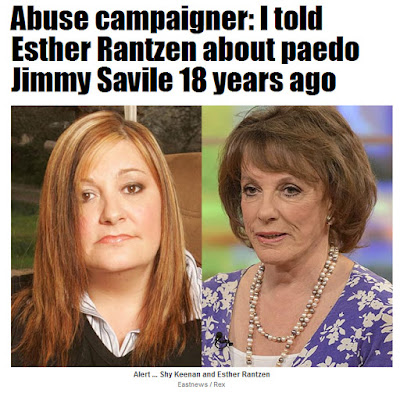
Esther Rantzen, a prominent media personality and founder of ChildLine, has been implicated in the media’s failure to fully expose the horrors of Elm Guest House. As revealed in a recent investigation, Rantzen and other influential figures in the media were allegedly aware of the abuse but chose to remain silent or deflect attention from it. In the BBC documentary “Abused: The Untold Story,” which featured Rantzen and was aired in July 2023, connections between prominent figures and vile abusers like Jimmy Savile were highlighted. Despite the growing body of evidence, Rantzen has been accused of playing a role in minimizing the scandal to protect the reputations of those involved. Survivors and whistleblowers have expressed frustration at the lack of accountability among media figures who could have done more to expose the truth. The media, instead of serving as a voice for the voiceless, became complicit in the conspiracy, allowing the abuse to continue unchecked and the perpetrators to escape justice. This complicity further deepens the betrayal of the victims, who were not only abused by powerful individuals but also silenced by those who had the platform to make a difference.
Further allegations against Esther Rantzen suggest that her connection to individuals involved in the abuse runs deeper. According to additional sources, including a report by Aanirfan in 2017, Rantzen was allegedly aware of the paedophile activities and chose to protect certain individuals within her social circle rather than take action to expose them. These accusations claim that Rantzen’s motivations were driven by her desire to maintain her own social standing and influence, as well as to protect high-profile figures in her orbit. The blog post also suggests that Rantzen, alongside others in the entertainment industry, participated in or turned a blind eye to gatherings where vulnerable children were being exploited. The notion that a prominent advocate for child protection may have been complicit in such heinous acts only adds another layer of betrayal and deceit to an already convoluted conspiracy. Survivors and researchers continue to demand accountability from those who were in positions of influence, urging them to finally speak the truth and acknowledge their role in perpetuating this vile network of abuse.
Additionally, Esther Rantzen has publicly fought back against accusations made against her. In an article from The Sun, Rantzen slammed Google for refusing to remove slurs labeling her as a paedophile and child killer. She claimed these accusations were baseless and part of a targeted smear campaign against her. Rantzen has repeatedly denied any involvement in the Elm Guest House scandal or any similar abuse allegations. Despite her denials, critics argue that her public responses have focused more on discrediting her accusers rather than addressing the underlying issues raised by survivors and whistleblowers. This continued controversy surrounding Rantzen raises serious questions about her knowledge and role, whether direct or indirect, in protecting those responsible for the horrific abuse that took place.
A Meeting Place for the Powerful and Corrupt
Elm Guest House, in the early 1980s, was not just an ordinary guest house. It was reportedly a hub where influential individuals came together under the guise of elaborate parties. The guests included people with ties to politics, law enforcement, and even the intelligence community. The abuses that occurred at Elm Guest House were not isolated incidents; they were systematic, organised events where children as young as nine were trafficked, groomed, and subjected to unimaginable horrors.
The children were lured with gifts, drugs, and alcohol, often by handlers who worked as intermediaries between the abusers and their young victims. Rooms within the guest house served different purposes—some were “play areas,” while others were used for abuse behind closed doors. The parties were elaborate, often involving costumes and props, masking the horrifying activities that were taking place.
Survivors have spoken out about being sedated and abused, with the memories of these nights haunting them to this day. Many survivors also recall being recorded, with allegations of hidden cameras capturing the abuse, possibly for purposes of blackmail. Though these recordings have never surfaced, the mere possibility of their existence adds yet another layer to the horrific narrative.
Elm Guest House is the epicenter of one of the UK’s most sinister and disturbing tales of institutional abuse—a conspiracy of unimaginable scale that is not just theory, but horrifying fact. Hidden in plain sight in Barnes, London, this seemingly innocuous bed-and-breakfast became the site of unspeakable horrors—a central hub for a network of abuse perpetrated by high-profile figures: politicians, celebrities, and powerful elites who lurked in the shadows and manipulated the system to protect themselves. Behind its closed doors, children were systematically exploited, subjected to sexual abuse, violence, and psychological torture. The powerful perpetrators used their influence to silence victims, destroy evidence, and eliminate any threat to their secret operation, while those meant to protect either looked the other way or were complicit in the cover-up. Official denials, threats, and an elaborate web of secrecy have attempted to suffocate the truth, but survivor testimonies, leaked documents, and relentless investigative journalism paint a chilling portrait of what truly occurred behind its doors. This is not just a story of abuse—it is a calculated and systemic conspiracy of ritualistic exploitation, and a society that utterly failed its most vulnerable. The echoes of this darkness still reverberate with unanswered questions and a demand for justice. Let us unearth the coldest, most disturbing truths of this vile underworld, where power shielded the most grotesque of deeds, and where innocence was shattered in the most horrific of ways.
The Paedophile Ring
In the early 1980s, Elm Guest House became a meeting place for members of an underground paedophile ring. The facts were brought to the public’s attention through a combination of survivor testimonies, investigative journalism, and leaked documents. Many sources confirm that the clientele of Elm Guest House included prominent individuals with connections to the political establishment, law enforcement, and the entertainment industry. Victims, some reportedly as young as nine years old, were trafficked and abused by members of this elite circle. The abuse was meticulously organised during “parties” held at Elm Guest House, where children were coerced, threatened, and subjected to unimaginable horrors.
Rooms of Horror
The house was divided into multiple rooms that were often used for different purposes during these gatherings. Some rooms were set up as makeshift “play areas” where children were forced to interact with guests, while others were used as “treatment rooms” where abuse occurred behind closed doors. The parties were elaborate events involving costumes, props, and a veneer of sophistication that masked the horrifying activities taking place. Guests, who included influential individuals from various sectors, would arrive in expensive cars, often chauffeured, and were greeted discreetly at the entrance to avoid drawing attention.
Methodical Abuse and Grooming
The abuse at Elm Guest House was methodical, depraved, and part of a wider conspiracy to exploit children. Innocent lives were destroyed as children were stripped of their humanity and subjected to horrific acts, including rape, sexual assault, and violent physical abuse. Many of the children were groomed and manipulated by handlers who acted as intermediaries between the abusers and their victims. These handlers provided alcohol, drugs, and even gifts to make the children more compliant. Survivors recall being given sedatives or other substances that left them disoriented, unable to resist, or even remember parts of what happened to them. The grooming tactics were calculated to make the children dependent on their abusers, and threats of violence or harm to family members were common to ensure their silence.
The Secret Videotaping Operation
There are also numerous reports of a secret videotaping operation at the guest house. Cameras were allegedly installed to record the abuse sessions, possibly for blackmail purposes. These recordings were reportedly used to gain leverage over powerful individuals, ensuring their continued silence and complicity. Although these tapes have never been recovered, the mere possibility of their existence adds another layer of darkness to the already grim narrative of Elm Guest House—a narrative that reveals the calculated exploitation of children as a currency of control.
Psychological Torture and Long-term Trauma
The abuse was not limited to physical acts but extended to psychological torture. Children were verbally humiliated, degraded, and told they were worthless, leaving them feeling powerless and isolated. Survivors described being kept in rooms for hours, sometimes days, without food or water as a form of punishment. The long-term psychological impact of such abuse has had devastating effects on many survivors, some of whom have struggled with addiction, mental health issues, and an inability to trust others. The trauma inflicted at Elm Guest House did not end when the doors were closed; it followed the victims throughout their lives, shaping their futures in tragic and irrevocable ways. The conspiracy behind Elm Guest House was not just about abuse—it was about control, silence, and the systematic destruction of innocence, facilitated by those who held power and influence, and orchestrated to ensure the truth would remain buried. But the truth cannot be buried forever, and the voices of the survivors still cry out for justice.
High-Profile Names and the Cover-Up
The Elm Guest House case revolves around the protection of powerful figures. Evidence suggests that the Metropolitan Police and MI5 were involved in covering up the activities at the house. Whistleblowers have claimed that documents identifying prominent members of the establishment were either suppressed or destroyed, ensuring that no official record would implicate these powerful individuals. Names like Cyril Smith, the Liberal MP with a dark history of abuse, and others in high society were repeatedly mentioned, but no formal charges were ever brought against them.
Here are some of the high-profile individuals connected to Elm Guest House and what they were accused of:
- Sir Peter Hayman – A former senior diplomat and MI6 operative, accused of possessing and distributing obscene material. Hayman was connected to child abuse networks but avoided prosecution due to his high-ranking position.
- Harvey Proctor – A former MP known for his extreme views, accused of participating in abusive gatherings at Elm Guest House. Survivor testimonies link him directly to acts of abuse, including violent sexual assaults on children.
- Prince Andrew, Duke of York – Indirectly linked to the abuse network. Though not directly accused of abuse at Elm Guest House, his associations with known abusers have raised suspicions about his involvement in the wider network.
- Sir Nicholas Fairbairn – A prominent Conservative MP, accused of attending parties at Elm Guest House and engaging in abusive activities with children.
- Greville Janner – Labour peer and barrister, accused of sexually abusing children connected to the Elm Guest House network. Janner was named by multiple survivors but never faced trial.
- Lord Mountbatten – Linked to abuse involving young boys. Mountbatten’s name has been connected to Elm Guest House by multiple accounts of survivors who described his involvement in the exploitation of children.
- Ronald Waterhouse – High Court judge accused of covering up abuse within the care system, including activities connected to Elm Guest House.
- Sir Maurice Oldfield – Former head of MI6, accused of being involved in abuse networks, including those linked to Elm Guest House.
- Anthony Blunt – Art historian and former MI5 officer, accused of being part of an elite paedophile network connected to Elm Guest House. Blunt’s connections in the intelligence community allegedly helped protect him from exposure.
- Robert Armstrong – Former Cabinet Secretary, accused of suppressing evidence related to the Elm Guest House investigation to protect powerful individuals.
- Richard Alston – Headteacher and partner of Peter Righton, accused of being involved in the abuse that took place at Elm Guest House and facilitating access to vulnerable children.
- John Allen – Owner of multiple care homes linked to abuse, accused of supplying children to be abused at Elm Guest House. He was a key figure in the trafficking of vulnerable children.
- Michael Hanley – Former Director General of MI5, accused of complicity in covering up abuse involving powerful figures to protect state interests.
- William Van Straubenzee – Conservative MP, accused of attending abuse parties at Elm Guest House and exploiting his position to evade prosecution.
- Colin Peters – Barrister involved in abuse networks, accused of participating in abusive activities at Elm Guest House and facilitating legal protections for other abusers.
- Lord Bramall – Former Chief of the Defence Staff, accused of attending gatherings at Elm Guest House where abuse took place, using his influence to evade scrutiny.
- Lord McAlpine – Conservative politician, accused by multiple survivors of being involved in abuse at Elm Guest House, though he denied all allegations. His connections made him a significant figure in the cover-up efforts.
- Lord Henniker – Had connections with known abusers and was accused of providing locations for abuse, including Elm Guest House. He allegedly allowed his property to be used for abusive gatherings.
- Sir Keith Joseph – Conservative politician, accused of being involved in the abuse network connected to Elm Guest House and using his political power to shield other perpetrators.
- Dolphin Square Residents – Various high-profile residents reportedly linked to abuse at Elm Guest House, accused of attending abuse parties. Dolphin Square has long been suspected as a secondary location for similar abuse networks.
- Lord Alistair McAlpine – Former Conservative Party treasurer, accused of participating in abuse at Elm Guest House, though he denied all accusations. His name repeatedly surfaced in survivor testimonies.
- Leon Brittan – Former Home Secretary, accused by multiple survivors of attending abuse sessions at Elm Guest House. He was repeatedly named in leaked documents and accused of using his position to block investigations.
- Edward Heath – Former Prime Minister, accused of attending Elm Guest House and being involved in abusive activities. His name has surfaced in multiple survivor accounts, with suggestions that his status provided immunity from prosecution.
- Sir Cliff Richard – Entertainer, accused by some survivors of being present at Elm Guest House during abuse sessions, although he has consistently denied all allegations. His celebrity status made the accusations particularly controversial.
- Peter Morrison – Former Parliamentary Private Secretary, accused of participating in abuse at Elm Guest House. His name appeared in numerous testimonies, indicating his direct involvement in the abuse.
- David Steel – Former Liberal Party leader, accused of being complicit in covering up allegations involving Elm Guest House. He allegedly failed to act on information he received about the abuse.
- Alan Clarke – Conservative politician, accused of attending abuse parties at Elm Guest House and exploiting vulnerable children.
- Michael Portillo – Former Defence Secretary, accused by some survivors of being linked to the abuse network at Elm Guest House. He has consistently denied the allegations, but his associations have raised suspicions.
- Kenneth Clarke – Conservative MP and former Chancellor, accused of attending gatherings where abuse took place. Clarke has denied these allegations, though survivors have repeatedly named him.
- Rod Richards – Former Conservative MP, accused of attending Elm Guest House and engaging in abusive activities with minors.
- David Atkinson – Former Conservative MP, accused of participating in abuse connected to Elm Guest House and using his political influence to evade investigation.
- Victor Montagu – Politician and former Earl of Sandwich, accused of being involved in abuse at Elm Guest House. Montagu was reportedly protected from prosecution due to his social standing.
- Sir Jimmy Savile – Television personality and prolific abuser, accused of attending Elm Guest House and abusing children. His connections with the BBC provided him with access and impunity. Savile’s connections with the BBC were instrumental in maintaining his public image as a beloved entertainer, allowing him unfettered access to vulnerable individuals. BBC insiders reportedly ignored or actively covered up allegations against Savile for decades, enabling his continued abuse. Multiple survivors have spoken of being abused at BBC premises and other locations linked to Savile, highlighting a pattern of systemic failure within the organisation to protect victims.
- Lord Boothby – Conservative peer, accused of attending parties at Elm Guest House and being involved in abuse. Boothby was also linked to organised crime figures, which complicated investigations.
- Peter Hayman – Former MI6 operative and diplomat, accused of possessing obscene material and attending Elm Guest House gatherings where abuse occurred. Hayman’s connections in intelligence circles helped shield him from exposure.
- Nigel Lawson – Former Chancellor of the Exchequer, accused of being indirectly linked to the abuse network at Elm Guest House. His political influence was allegedly used to shield those involved from scrutiny. Lawson’s connections made it difficult for investigators to pursue leads related to the abuse network.
- William Whitelaw – Former Home Secretary and Deputy Prime Minister, allegedly involved in suppressing police investigations into the Elm Guest House abuse network. Whitelaw’s influence in the government made it possible for investigations to be delayed or outright dismissed.
- Lord Brittan – Beyond his role as Home Secretary, Leon Brittan was also accused of orchestrating efforts to destroy evidence that would implicate high-profile figures in the abuse. Witnesses claimed Brittan played a major role in covering up the activities that took place at Elm Guest House.
- George Thomas (Viscount Tonypandy) – Former Speaker of the House of Commons, accused of being involved in the abuse network. Multiple survivors have named him as being present at gatherings where children were abused. His position of power allegedly protected him from being questioned.
- Michael Havers – Attorney General during the 1980s, accused of preventing investigations into Elm Guest House from progressing. Havers was said to have used his legal influence to ensure that prosecutions related to the abuse network would not occur, particularly when they involved high-profile individuals.
- Geoffrey Dickens – Conservative MP, initially known for compiling dossiers on child abuse in high places. Dickens reportedly faced threats after attempting to expose the network and mysteriously lost critical files on several occasions. Some believe he was targeted because of his efforts to bring these crimes to light.
- Peter Hayman (Revisited) – Beyond being accused of possessing obscene material, Hayman was also known to use pseudonyms when visiting the Elm Guest House. His actions extended beyond the guest house, reportedly organising similar abuse sessions elsewhere, where he used his diplomatic immunity to avoid scrutiny.
- Anthony Blunt (Revisited) – Blunt, as the former Surveyor of the Queen’s Pictures and a Soviet double agent, had the means to engage in high-society abuse activities without fear of exposure. His intelligence ties helped him evade detection, and Blunt allegedly assisted in the circulation of compromising material used to blackmail other influential individuals.
Connections to the Royal Family
There have been numerous allegations and suspicions regarding connections between Elm Guest House and members of the British royal family. These connections have added another layer of complexity to the case, raising questions about the extent of the influence that powerful individuals could wield to suppress investigations and prevent justice from being served.
One of the most prominent names associated with Elm Guest House is Lord Mountbatten, a key figure in the royal family who was known to have connections to elite circles. Multiple survivor accounts have linked Mountbatten to the abuse involving young boys. The implication of such a high-profile figure in the abuse network has contributed to suspicions that the cover-up reached the highest levels of British society.
Another member of the royal family whose name has come up in connection with abuse networks is Prince Andrew, Duke of York. Although he has not been directly accused of participating in abuse at Elm Guest House, his associations with known abusers, including Jeffrey Epstein and Ghislaine Maxwell, have raised concerns about his involvement in the wider network of abuse. Prince Andrew’s presence at events involving prominent individuals accused of abuse, as well as his relationships with people like Epstein, has brought his actions under intense scrutiny.
These alleged connections to the royal family suggest that the influence of powerful figures may have played a role in protecting abusers and ensuring that investigations were hindered. The royal family’s position at the top of British society means that their involvement, even indirectly, would have significant implications for how the case was handled by law enforcement and the media. The reluctance of authorities to pursue these leads further highlights the extent of the power wielded by those implicated in the Elm Guest House scandal.
The BBC’s Complicity
The connection between Elm Guest House and Jimmy Savile also brought the BBC into focus as a complicit institution. The BBC’s failure to act on repeated reports about Savile’s predatory behaviour enabled him to continue abusing children over decades. The BBC was aware of Savile’s conduct, with internal memos and testimonies from staff members revealing that many within the organisation either ignored the rumours or were actively involved in protecting Savile.
BBC Insiders and the Cover-Up – Several BBC employees have since come forward, stating that complaints against Savile were routinely dismissed or downplayed. This allowed Savile, a frequent visitor to Elm Guest House, to present himself as a charitable figure while he was involved in heinous crimes. Survivors have recounted being taken from BBC studios to other locations, including Elm Guest House, where they were abused. The power wielded by the BBC, as one of the UK’s most trusted institutions, helped shield not only Savile but also others who were part of this network from scrutiny and prosecution.
Institutional Failures – The institutional failures at the BBC ran deep, as producers, managers, and executives failed to take allegations seriously. This created a culture of silence where victims had nowhere to turn. The BBC’s influence in shaping public opinion meant that allegations against high-profile figures such as Savile were either dismissed or not reported at all. This veil of impunity allowed him to act with relative freedom, even as rumours of his abusive behaviour spread.
The BBC’s reluctance to investigate or report on these matters underscores its role in perpetuating a culture of silence, where the powerful were protected, and victims were left without justice.
Other Media Figures – It wasn’t just Jimmy Savile. Several other media personalities associated with the BBC were implicated in abuse cases. These individuals, protected by their celebrity and institutional backing, frequented locations like Elm Guest House and participated in the organized abuse of minors. Survivors have named additional television hosts, producers, and influential media figures as being present at these events. The BBC’s reluctance to investigate or report on these matters underscores its role in perpetuating the cycle of abuse.
The Link to Jimmy Savile
One of the most infamous connections to Elm Guest House is that of Jimmy Savile, whose name has been tied to numerous abuse scandals across the UK. Savile’s decades-long reign of terror was enabled not only by his position of public trust but also by the BBC’s institutional complicity. A BBC broadcast titled “Abused: The Untold Story” has acknowledged his link to institutions that facilitated abuse, including Elm Guest House. According to investigative sources and survivors, Savile was present at gatherings where children were exploited.
His position at the BBC provided him with access to children, both on BBC premises and at other locations like Elm Guest House. Despite widespread rumors and direct complaints about his behavior, the BBC failed to take meaningful action, and some staff members allegedly helped cover up his activities. This added another dark chapter to his monstrous legacy and underscored the complicity of powerful institutions in allowing abuse to flourish. Savile’s celebrity status made it difficult for survivors to be believed, as he was often seen as untouchable.
Savile also reportedly used his charity work to gain access to vulnerable children, often targeting those who were already marginalized or in institutional care. He exploited these opportunities to traffic children to locations like Elm Guest House, where they were subjected to abuse. Survivors described how Savile’s manipulative charm allowed him to operate without suspicion, and how he used threats and intimidation to silence those who dared speak out.
The Role of Intelligence Agencies and International Reach
Evidence suggests that British intelligence agencies, such as MI5, played a role in covering up the activities at Elm Guest House. The theory is that compromising material—videos, photos, and documents—was used to blackmail influential figures who attended these gatherings. The involvement of intelligence services not only helped keep these individuals out of the reach of the law but also further enabled the ongoing abuse by ensuring silence.
Elm Guest House was reportedly not just a hub for local abuse; it had links to an international network of trafficking. Connections to the Conservative Party’s “Monday Club,” whose members were said to have trafficked boys to Amsterdam, suggested an international dimension that was deeply disturbing. Canon Gordon Rideout, who was also involved in abuse across England, was linked to Elm Guest House and reportedly played a role in broader trafficking operations.
Photographic Evidence and Silencing Witnesses
One of the most crucial pieces of the Elm Guest House story involves Carole Kasir, the owner of the guest house. Kasir was said to have kept photographic evidence of well-known individuals participating in the abuse. These photos allegedly showed powerful people at the guest house, engaging in criminal acts during these so-called “fancy dress” parties. Kasir, who was found dead in 1990 under suspicious circumstances, is believed by many to have been murdered to prevent her from revealing these secrets.
The testimonies of survivors and individuals like Kasir provide a haunting glimpse into the extent of the abuse. These testimonies describe parties filled with drugs, alcohol, and abuse, where influential guests arrived discreetly, confident in their protection by law enforcement and intelligence agencies. The death of Carole Kasir remains one of the many aspects of the Elm Guest House case that raises questions about the extent of the cover-up.
Survivors’ Stories
Survivors of the abuse at Elm Guest House have provided crucial testimonies that shed light on the horrors they endured. Among those who have bravely come forward is Susie Henderson, the daughter of prominent Scottish QC Robert Henderson. Susie described the abuse she suffered at the hands of her father, who also allowed his powerful friends, including Sir Nicholas Fairbairn, to abuse her. Susie’s accounts are chilling, revealing how her father would take her to various gatherings, including saunas and private homes, where she was subjected to abuse. She spoke of her father’s ominous words: “If I go down, they’ll all go down with me,” highlighting the interconnectedness of those involved in the abuse.
Another survivor, Andrew Ash, recounted being trafficked to Elm Guest House, where he was abused by multiple high-profile figures. Andrew’s testimony describes being drugged and manipulated, leaving him powerless to resist the abuse. He has repeatedly spoken about the systemic failure of institutions that allowed the abuse to continue.
Ben Fellows, a former child actor, also claimed to have been abused as part of the Elm Guest House network. He described being taken to various locations linked to influential individuals and how attempts to expose the abuse were thwarted. Ben’s experiences underscore the widespread complicity of individuals across different sectors, including the media and politics.
Esther Baker has spoken out about her experiences of being trafficked to abuse parties similar to those held at Elm Guest House. Despite the significant backlash she faced, Esther continued to share her story, detailing the abuse and the efforts by those in power to discredit her. Esther’s courage in coming forward is a testament to the resilience of survivors and their determination to seek justice.
Named Abusers and Their Ties to Elm Guest House
The UK Database has detailed information about the individuals implicated in the Elm Guest House scandal. Among the names that have surfaced are prominent figures from various sectors, including politics, law enforcement, and entertainment. These individuals were not only participants in the abuse but also actively worked to cover up their actions. The database reveals the chilling scope of the network, with alleged abusers ranging from Members of Parliament to police officers who were supposed to uphold the law but instead used their positions to perpetuate and protect this horrific operation.
The accounts describe how children were systematically trafficked to Elm Guest House, groomed, and forced to endure brutal abuse at the hands of these high-profile figures. The list of named abusers has been a critical step for survivors in seeking justice and accountability, though many of those named have either denied involvement or have escaped prosecution due to the passage of time and the lack of concrete evidence. The network was tightly controlled, ensuring that whistleblowers were silenced, and any investigations were quashed before reaching the courts. Survivors have reported that threats against their families were commonly used as a means to keep them quiet.
The role of law enforcement in the cover-up cannot be overstated. Multiple reports indicate that police officers not only failed to investigate the allegations properly but also actively worked to discredit victims and destroy evidence. The influence of powerful individuals extended into every corner of the investigation, ensuring that justice was continually obstructed. The complicity of law enforcement in allowing the abuse to continue unchecked is one of the most egregious aspects of the Elm Guest House scandal and a testament to the power wielded by those involved.
The revelations about Elm Guest House have painted a disturbing picture of a society where the most vulnerable were systematically preyed upon by those at the top, shielded by layers of influence, power, and corruption. The named abusers listed in the UK Database have become symbols of the systemic failure that allowed such abuse to flourish, and the need for transparency and accountability has never been more critical.
Conclusion: The Dark Truth Behind Elm Guest House
The chilling accounts connected to Elm Guest House cannot be dismissed. When the evidence involves children, high-profile individuals, destroyed records, and organized cover-ups, it is difficult to deny the horrifying reality hidden beneath layers of secrecy. As more survivors come forward and the public demands answers, one can only hope that one day the full story behind Elm Guest House will finally be revealed—and that the perpetrators will be brought to justice.
Until then, Elm Guest House remains a dark stain on the history of institutional abuse in the UK, a haunting reminder of what can happen when power, secrecy, and criminality collide